

In this Drill Down: Tariff relief, wildfire anxiety, and AI’s role in… ethics?

Tariffs axed by Supreme Court: Will your kitchen remodel get cheaper — or more expensive?
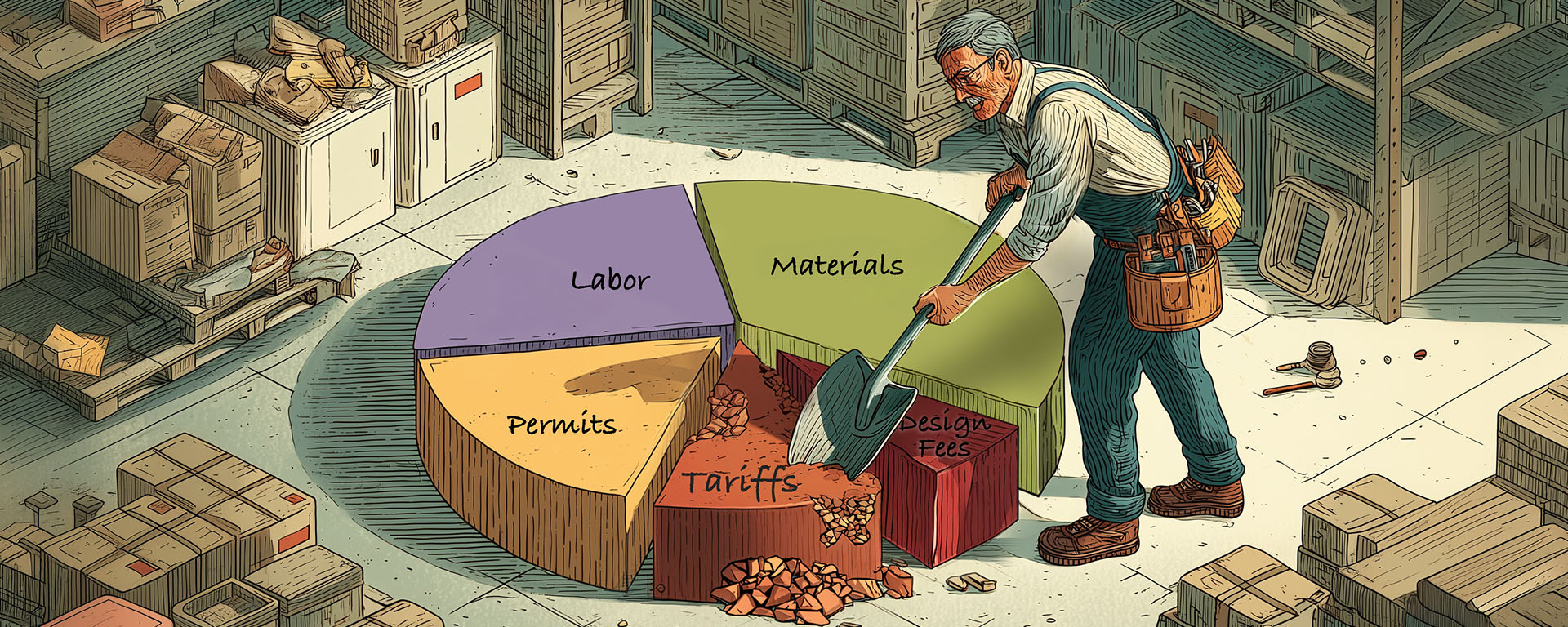
The Supreme Court recently struck down President Donald Trump’s sweeping tariffs in a 6-3 vote, stating that “IEEPA [International Emergency Economic Powers Act] does not authorize the President to impose tariffs.”
For homeowners who have seen kitchen remodels and roofing project costs skyrocket over the past year, the ruling could ease expenses. But given the remaining uncertainty, the timeline for this to occur remains up in the air. More here: (Source)
The S/M Take:
As The Drill Down team walked the halls of KBIS & IBS this month, the booth conversations often circled back to tariffs. And while there was no love in the room for these additional taxes, there was acceptance. Time, after all, heals all wounds.
And now the wounds are reopened.
What businesses want more than anything else is predictability. They want to know their cost structure for today, and for tomorrow. This whipsaw – created first by the White House and now by the Supremes – is stunningly destabilizing. In a home & building industry already facing headwinds galore, we have our fingers crossed for a return to sweet, sweet boredom.

Colorado invests $69M in wildfire mitigations ahead of fire season
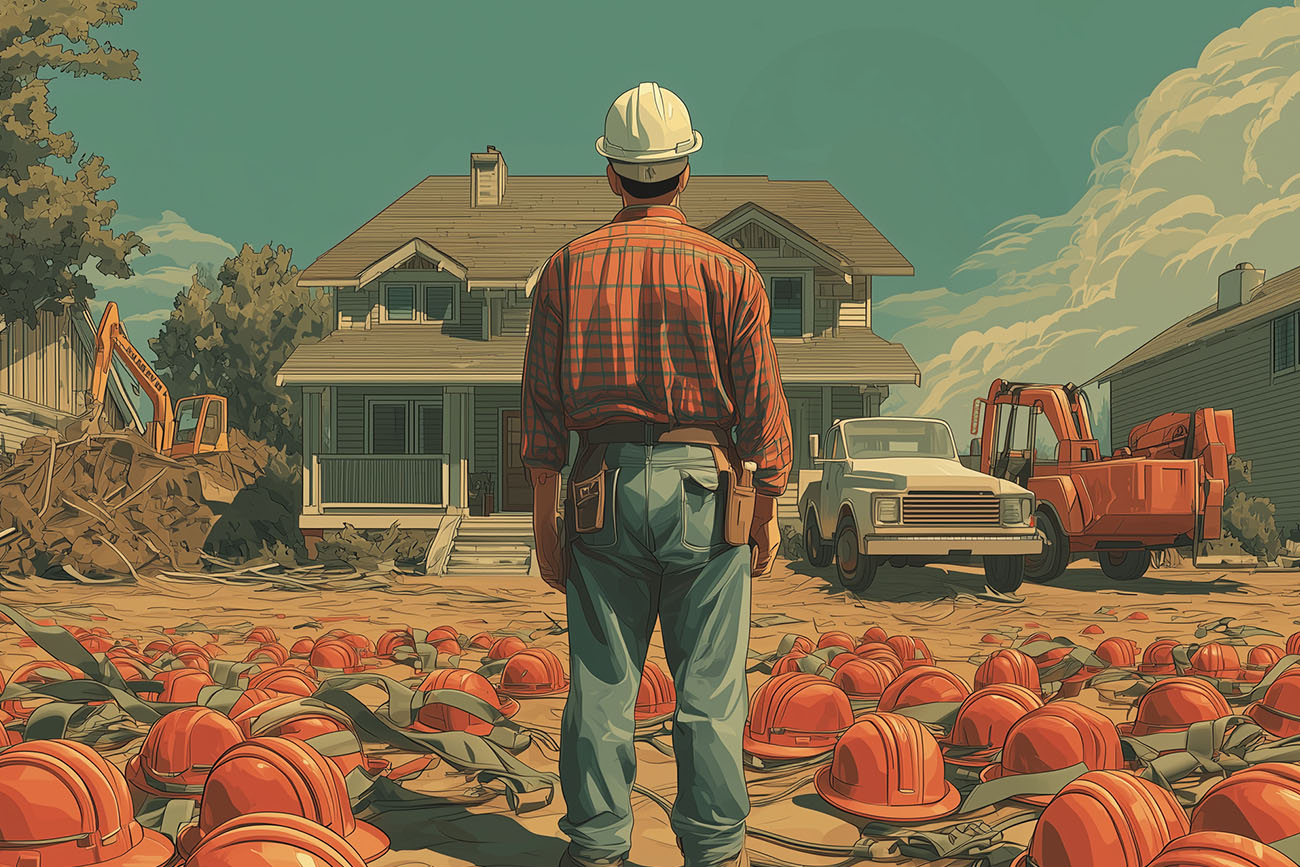
2025 was a devastating wildfire season in Colorado. With the worryingly low snowpack Colorado has received this year and ongoing drought conditions, experts say the rapidly approaching 2026 wildfire season could have the same potential as last year — but a new grant for wildfire mitigation looks to tackle the problem.
The Colorado Department of Natural Resources, alongside Gov. Jared Polis, announced a $6.9 million grant through the Colorado Strategic Wildfire Action Program (COSWAP). The funding will support 24 projects statewide focused on fire mitigation, workforce training and other efforts designed to better prepare crews and communities for wildfire disasters. More here: (Source)
The S/M Take:
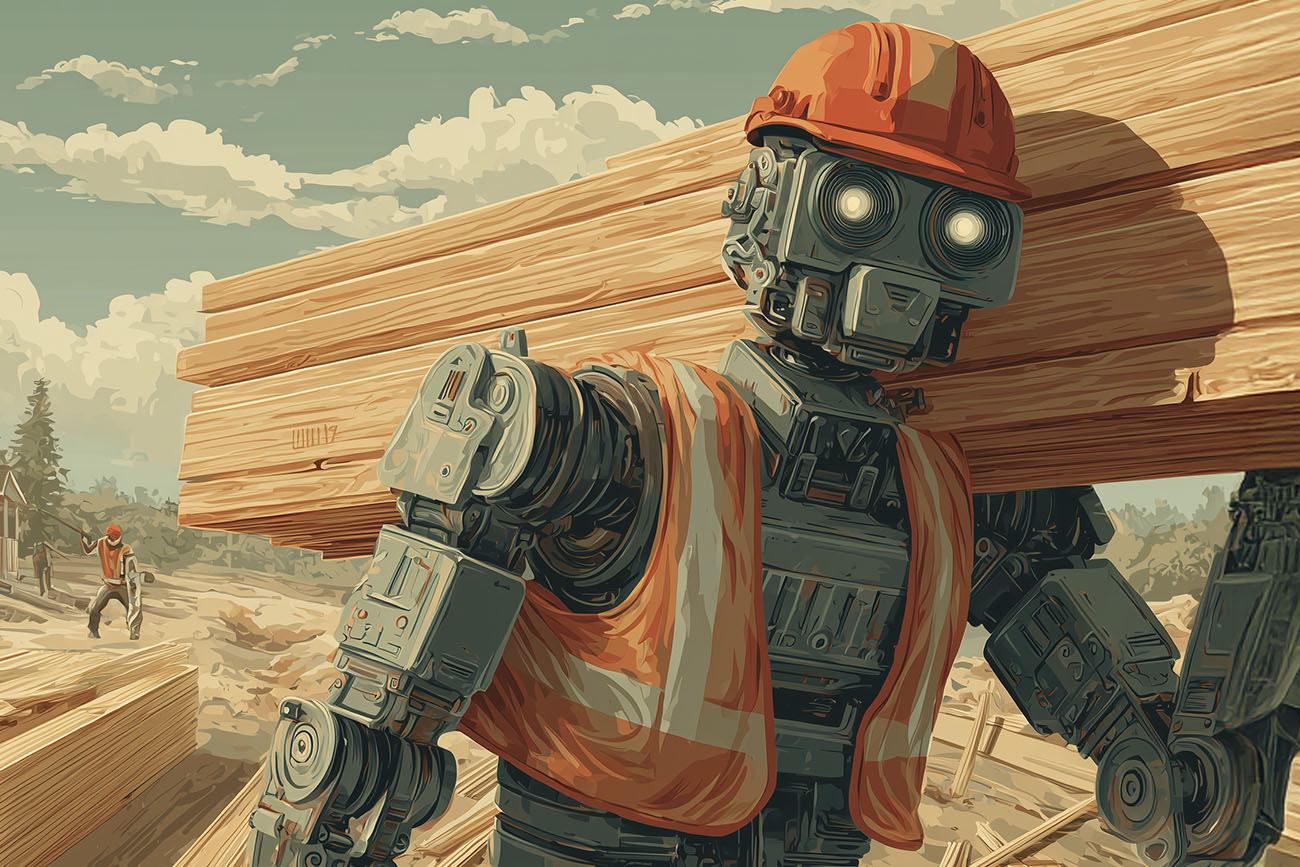
As the state invests in chainsaw training and other techniques, builders in Colorado (and along the West Coast) are getting smart on what they could do themselves to protect their home builds.
Showgoers at IBS were bombarded with brands claiming resilience and protection. So what products are legit? And which ones are just blowing smoke?
One particularly enlightening session at IBS stated it bluntly: either use Class A fire resistance or it’s a waste of money and materials.
Builders have Class A materials at their disposal — like fire-rated sheathing from Arclin Firepoint and metal mesh vents to keep embers out of ducts.
The next step is likely to be brands working together to package a multi-brand system of fire resistance for builders to spec and homeowners to buy.
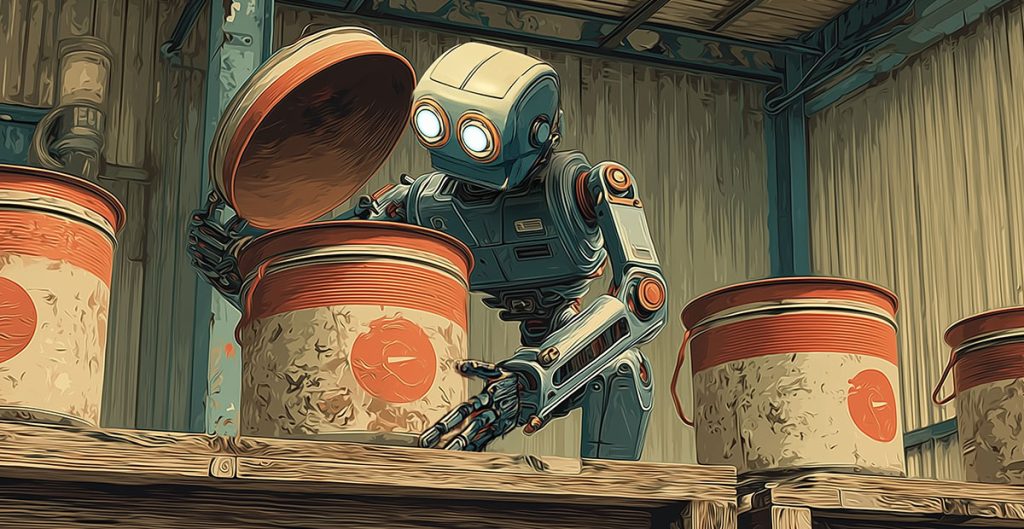
The spec stops here: Can technology help designers avoid ethical risks in the supply chain?
A troubling reality lies beneath many of the materials we design with in the global construction industry: forced labor. A 2022 report shows that construction is one of the top five sectors accounting for the majority of adult forced labor, with mining and quarrying comprising a smaller yet significant forced-labor workforce. For landscape architects who often specify materials such as natural stone, gravel, timber, and rubber, this reality presents an ethical and legal problem.
Fortunately, new technology platforms can leverage big data, artificial intelligence, and industry collaboration to better illuminate the darker corners of global supply chains. One such platform is Acelab, an AI-powered material specification tool established in 2020. Acelab has rapidly grown into a database of over 175,000 building products and is used by more than 20,000 design and engineering firms. More here: (Source)
The S/M Take:
Loyal fans of The Drill Down have likely noted a plethora of AI in our reports. Smart appliances, smart construction processes, smart homes, and more. But this use of AI really caught our eye.
For builders, architects and brands committed to ethical practices (and that’s most of you), it can be near-impossible to track every single screw or brick. These new AI platforms can scan massive amounts of data to flag materials that might come from risky areas or unethical factories. It’s like a background check for materials. This is how modern professionals can keep up with modern demand… and still sleep at night.

Subscribe to the
DRILL DOWN
This site is protected by reCAPTCHA and the Google Privacy Policy and Terms of Service apply.