

The renovation boom nobody saw coming (and the red tape slowing it down).


Renovation Nation: 9 home remodeling trends for 2026
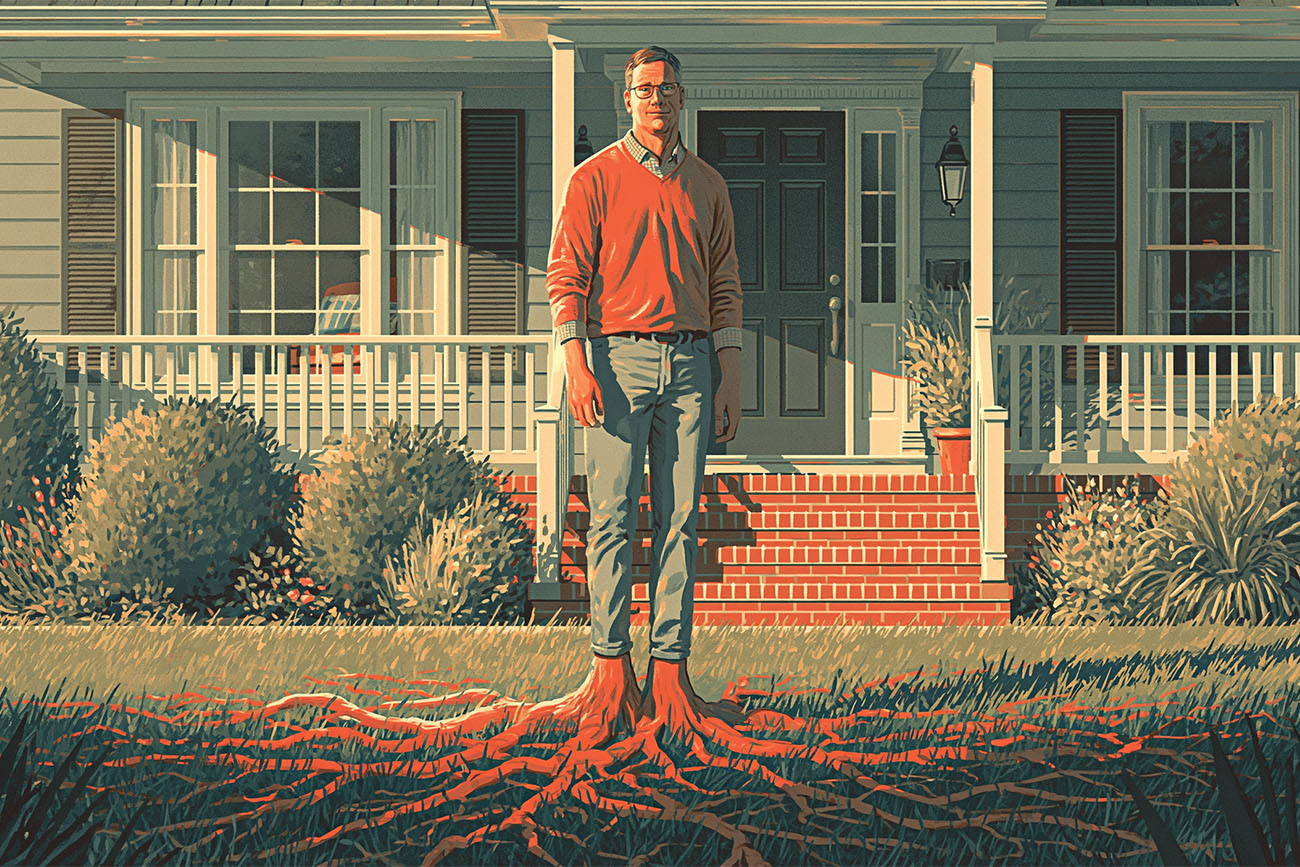
Homeowners taking on renovation projects this year are in great company. More than half of U.S. homeowners (54%) tackled renovation projects in 2025 — everything from full-gut renovations to repainting rooms. This data comes courtesy of the latest Houzz & Home Study from Houzz, an AI-powered all-in-one software platform for construction and design.
The annual study, fielded between January and March 2026, offers insights from more than 20,000 U.S. respondents into home renovation trends for both homeowners and construction and design pros. Here are nine key insights, including who’s spending, what they’re budgeting, and what their timeline looks like. More here: (Source)
The S/M Take:
The housing market has found its pressure valve. If you can't buy your way up, you improve your way up. Renovation is no longer the backup plan. It's THE plan.
These homeowners are making deliberate, often sequenced decisions about their spaces over time. For you marketers, there’s a lot to consider about where you fit in:
- The brand that guides a homeowner through Project One often wins Project Two, Three, Four and so on.
- Content that helps people prioritize their to-do list likely has enormous value right now.
- The 54% of homeowners who renovated in 2025 aren't finished. They're just getting started.
America's homes are older than ever — and local red tape could make them harder to fix
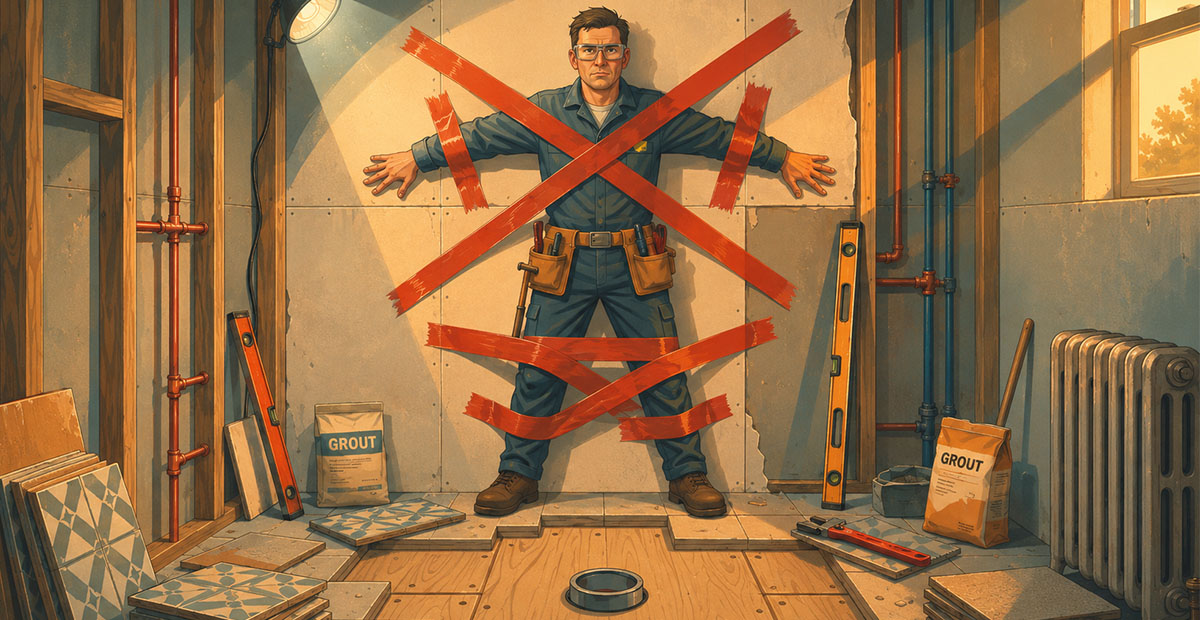
While it’s well-documented that regulatory friction is gumming up the new-construction pipeline, a new report offers a rare look at how local bureaucracy may also be affecting the homes already standing.
The analysis from the Common Sense Institute (CSI) reviewed 2.8 million building permit records across Arizona and found that obtaining a permit adds roughly 23 days to residential project completion timelines on average — a burden that can turn even routine work into a long and expensive process.
It's a particularly troubling finding given the state of the nation's housing stock. Nearly 49 million U.S. households reported at least one needed repair in the latest American Housing Survey, and estimates pin the current repair backlog for occupied homes at $198.4 billion. More here: (Source)
The S/M Take:
Sluggish permitting is frustrating for homeowners. It’s doubly frustrating for contractors.
For savvy brands, this is an opportunity hiding in plain sight. In a world where getting work done is becoming more and more difficult because of outside forces, the brands that remove complexity earn disproportionate loyalty.
We’re talking better product documentation. Contractor partnership programs. Permit-ready specifications. Or, simply, streamlined installation.
Easy to permit, easy to install, easy to live with. This could become your competitive advantage.
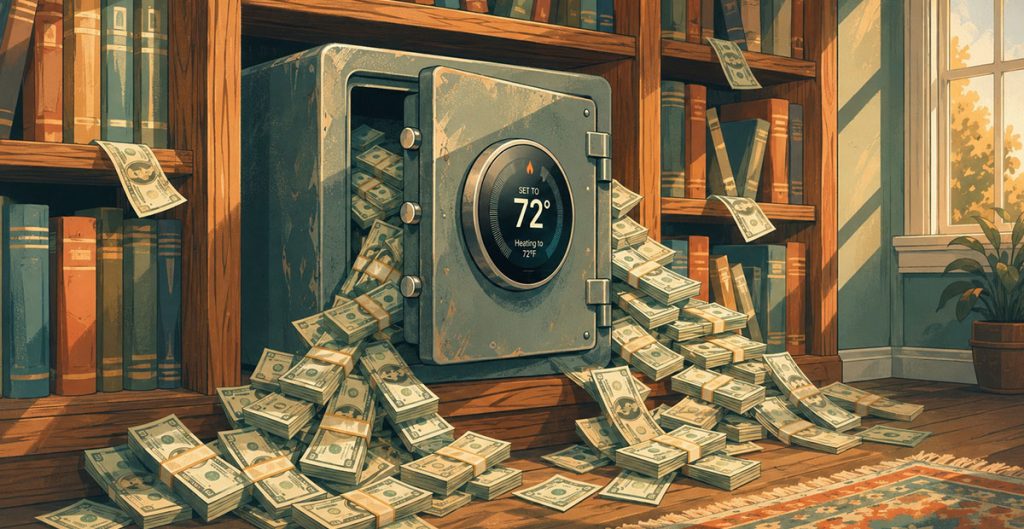
We do the math: How much a smart thermostat can really save you on energy bills
As the days heat up for summer and the AC keeps clicking on, you may be nervously eyeing your monthly energy bills. Sure, the right kind of scheduling during the day and night can help save, but it's difficult to find the sweet spot while also matching weather patterns. Unless, of course, you get your thermostat to do it for you. That's the power of the latest smart thermostat features.
Adina Roth, product lead for the Nest Learning Thermostat, told me, "Some of my favorite features that I notice improve savings are the automatic adjustments with Smart Schedule, Auto-Eco energy-saving shifts and Seasonal Savings."
Nest isn't the only thermostat with cost-saving features. Smart models from Ecobee, Honeywell Home, Amazon and others have similar tricks. So I experimented with my own model, looked up the latest studies, and calculated just how thermostats can pay for themselves. More here: (Source)
The S/M Take:
Smart thermostats are the remodeling gateway drug. Hear us out.
They’re easy to buy, a breeze to use, and offer immediate benefits. Often, they’re the first thing someone checks off on a remodeling laundry list because they’re such a layup — especially for smart products.
Could your brand offer something similar? A scaled-down, lower-risk version of your product that gets buyers into the ecosystem? A feature or benefit the buyer will feel immediately? Or could your install and demo feel more like a try-on than a commitment?
The smart thermostat wins because it doesn’t ask for much upfront. Consider this when asking potential customers to take a leap of faith.

Subscribe to the
DRILL DOWN
This site is protected by reCAPTCHA and the Google Privacy Policy and Terms of Service apply.