

First and final? The trend toward owning and improving just one home

The starter home is dead — first-time buyers aim for ‘forever homes’ as living costs surge
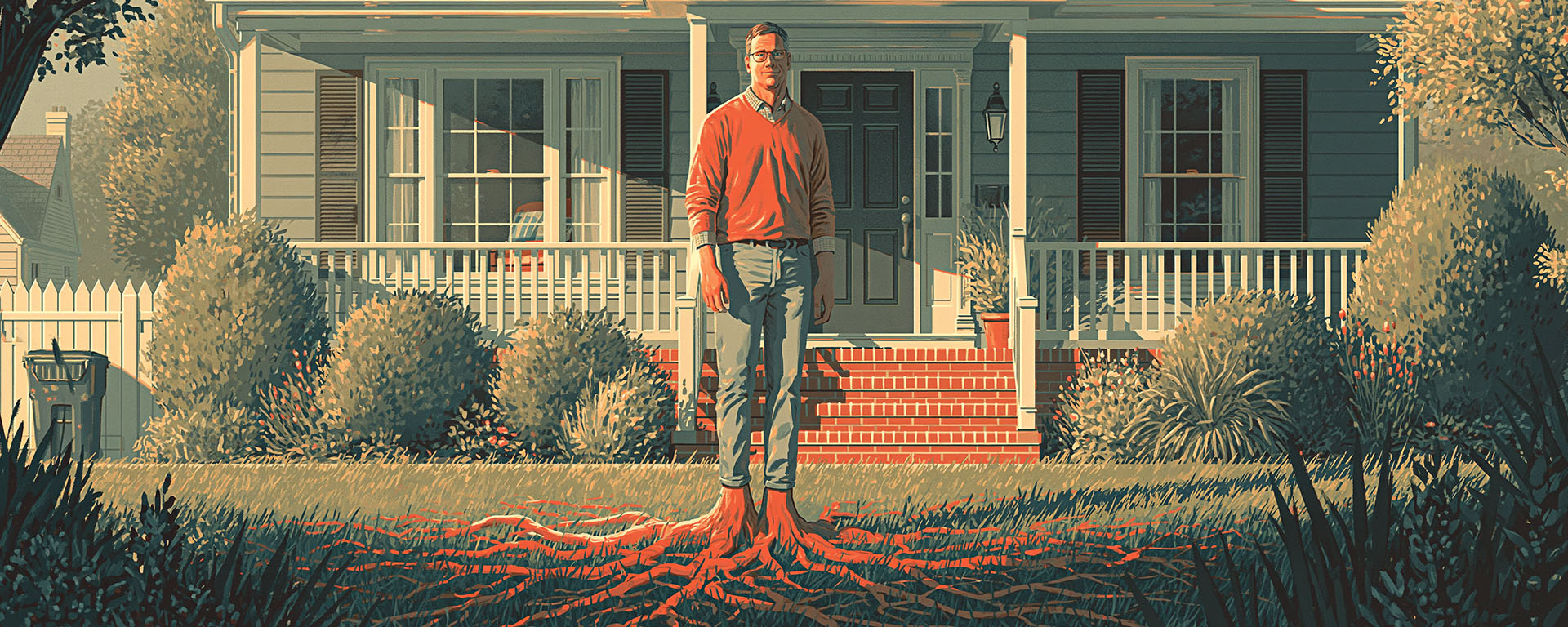
The starter home is fading fast as today’s buyers skip the first rung of the property ladder and go straight for a long-term play.
Fresh data from BMO shows Americans are entering the housing market later than ever, with first-time buyers now averaging around age 40.
That delay is reshaping what they want. Instead of smaller, short-term purchases, many are targeting homes that can handle everything at once, from raising a family to housing older relatives and even bringing in rental income. In short, they’re looking for a one-time buy of the home they’ll live in forever.
The numbers underscore the shift. About 65% of would-be buyers expect their first home to be their only one, signaling a move away from the traditional trade-up model. More here: (Source)
The S/M Take:
We’ve always defined a pillar of the American Dream as buying your first home. Never did we expect it to be your last one.
Let’s look at this trend from both sides. Yes, lower velocity of “house trading” dampens opportunity for builders of new homes, and also quiets the flurry of changes that movers make upon arrival.
But… the path to a “forever home” is lined with additions and remodels, and they’re not insignificant spends. Assuming this trend isn’t going away, let’s consider how marketers can best serve those who compress their entire housing journey into a single purchase:
- Messaging should emphasize adaptability over aspiration – how can your product bridge generations and life stages?
- Products should exude durability – these folks aren’t trend-chasing, they’re staying
- Content should frame purchases as future-proofing, not simply upgrading
Prevent slips and trips: Designing a home to age in place beautifully
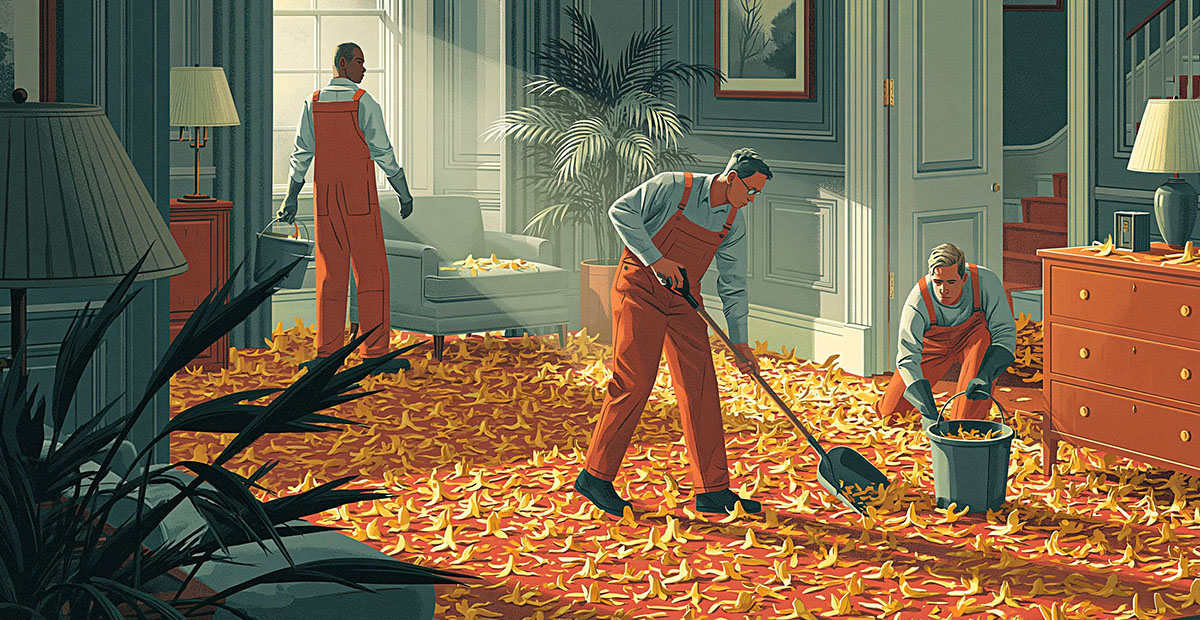
When it comes to aging in place, architects and designers are increasingly approaching accessibility less as an afterthought and more as an opportunity to craft spaces with intention without limiting style.
“One of the biggest misconceptions is that designing for aging in place means sacrificing beauty,” said Kati Curtis, principal at Kati Curtis Design in New York City. “In reality, it is often just good design: clear planning, thoughtful material choices, comfortable furnishings, intuitive lighting, and details that anticipate how someone wants to live over time. When done well, these interiors do not announce themselves as ‘accessible.’”
From thoughtful layouts to smart furniture selections, here’s how to design spaces that allow residents to beautifully age in place. More here: (Source)
The S/M Take:
Quick, think “aging in place” and close your eyes. How many of you saw a sad, stainless, bathroom grab bar? Or (gulp!) a stairlift?
The point is, preparing a home for the Golden Years has long been far from gilded; it is – at best – reactive and clinical.
But slowly, it’s evolved to simply good design: intuitive layouts, better lighting, seamless flow — all features that don’t look accessible but quietly are.
For marketers, this is a premium signal. As the story above proves, today’s aging in place has become code for senior luxe.
This evolution toward “effortless living” hinges on selling emotional outcomes, like security, comfort and permanence. Words matter in this type of marketing, i.e. design intelligence over senior accessibility.
Marketed well, aging in place can become an aspiration rather than a compromise.

The tables have turned: Florida and Texas are the biggest losers in the housing market as Ohio emerges a surprise winner
During the pandemic, housing markets in Florida and Texas enjoyed a surge in popularity. Unencumbered by office attendance, remote workers headed south to cash in on the Sunbelt’s warm temperatures, low tax rates, and new construction.
But that story is being rewritten now. Homebuyers are now prioritizing affordability and steady employment, meaning Rust Belt cities are now stronger than their Sunbelt counterparts. Ohio, in particular, is a quiet champion of the American housing market. Oh, and homes that are about 30% cheaper than those on the coasts. More here: (Source)
The S/M Take:
For years, the Sunbelt boom was driven by a simple value prop: cheaper, warmer, growing. Then a few new words entered the chat. Climate risk. Insurance costs. Infrastructure strain. And the spell was broken.
It’s not that the Sunbelt is unappealing, it’s just that resilience and predictability have become pretty darn sexy as well. Buyers, like investors, value long-term viability over speculative moves.
Where Ohio and luxury cross paths
Interestingly, the Rust Belt isn’t the only winner in this strange new economy. Check out the performance of the luxury segment.
At this level (and especially at the top 1%), cash buyers are predominant – and mortgage rates don’t matter much. And if there’s a tariff on that color-matched, dual-fuel oven? That’s no more than a hint of bother.
As the man said, the rich are different from you and me.

Subscribe to the
DRILL DOWN
This site is protected by reCAPTCHA and the Google Privacy Policy and Terms of Service apply.