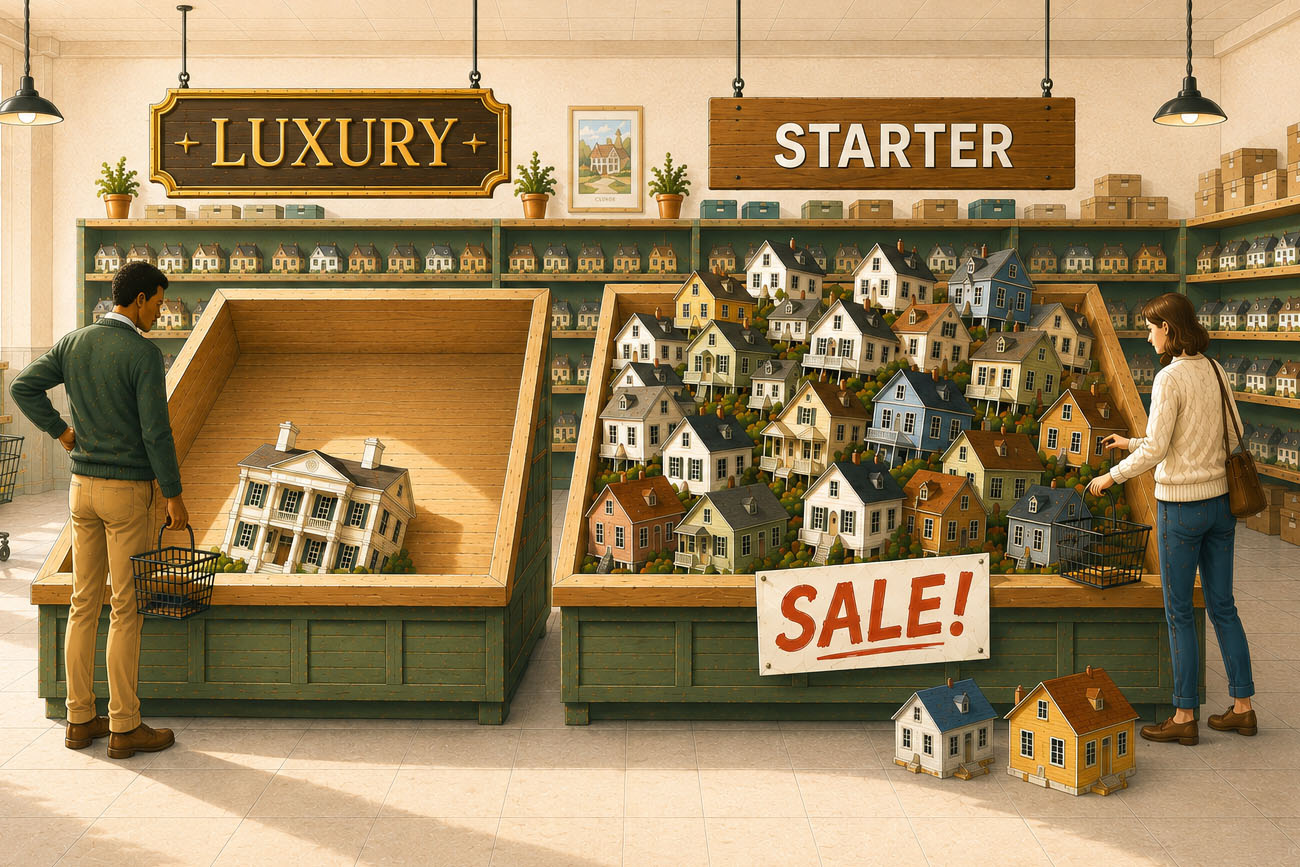
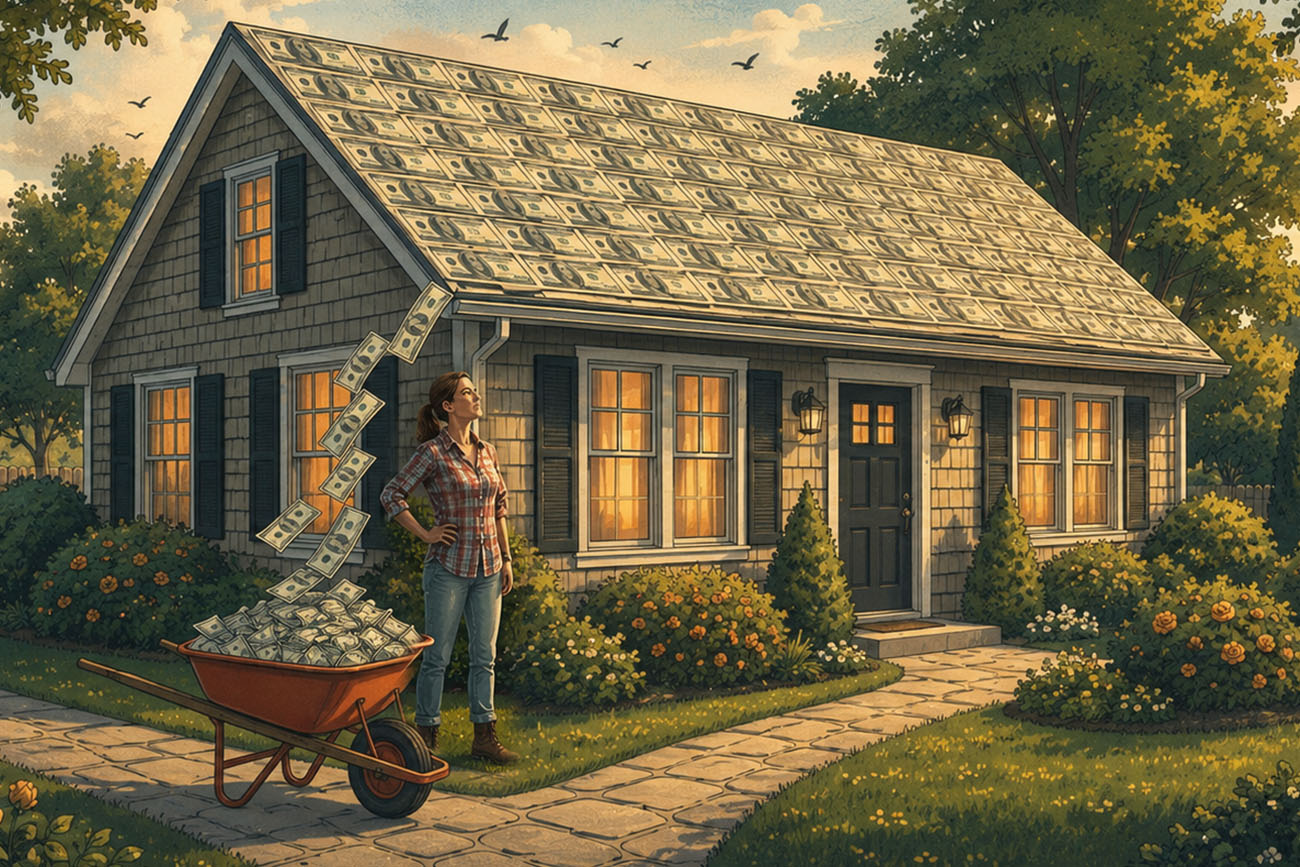
Turns out, there’s more than one way to make a house a home.

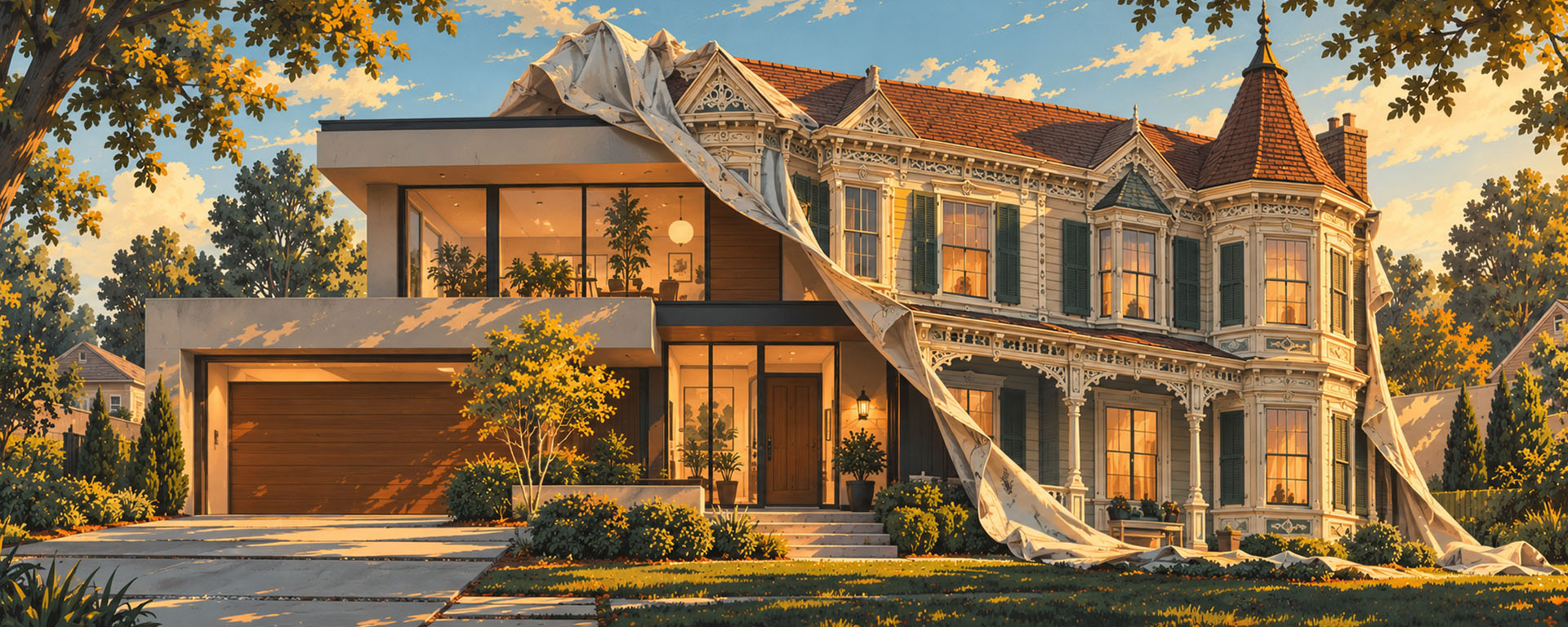
Why new builds are now designed to look like historical homes
Today, new builds are getting, well, older—at least in appearance.
“There was a whole generation of people who were drawn to homes that didn’t have the kind of depth that a historical home would have,” says James Paragano, the architect behind the aforementioned New Jersey home. “And I do feel like now there is a move towards homes with authenticity.”
These new builds circumvent the stereotypes of modern construction: cookie cutter silhouettes, inexpensive finishes, and overall lack of character. And while you could argue that there have always been architect-designed homes that are more considered than this suburban typecast, there is now generally a much more distinct appetite for a home that doesn’t just look like it belongs in its setting, but like it has always been there. More here: (Source)
The S/M Take:
There's something comforting about a house that looks like it has a few stories to tell. The funny thing is that homeowners want those stories without the century-old plumbing, questionable wiring or mysterious noises coming from the basement.
For building-products brands, there's an interesting lesson here. We spend a lot of time talking about what's new. New technology. New materials. New performance.
But the emotional appeal of a product might be something much older: character, craftsmanship and a sense of permanence.
The challenge is delivering those qualities with all the advantages of modern construction.
After all, nobody's nostalgic for replacing a pre-war furnace.
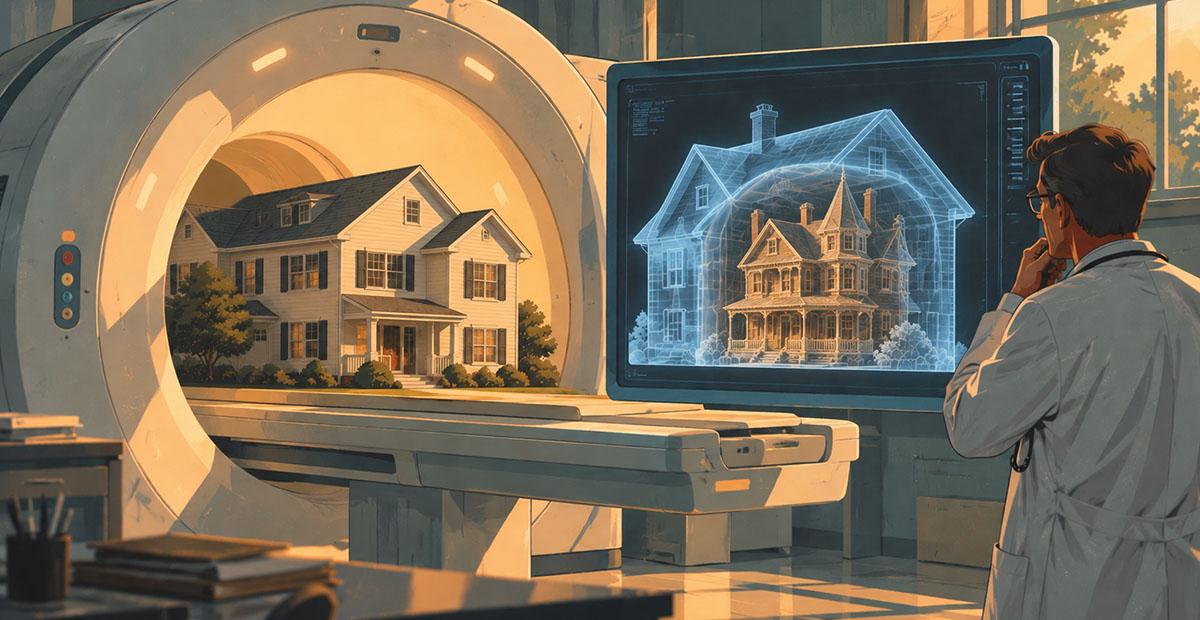
To save a 1903 home, this architect employed an out-there solution: A house within a house
Standing on a patchy plot of grass in front of a red brick Victorian in Dallas in 2023, the structural engineers delivered a terminal diagnosis. Excessive water damage, a sidewall leaning eight inches away from the structure, and most shockingly, load-bearing brick walls sitting directly on the earth—sans any traditional foundation—were all evidence of the 1903 property’s overwhelming deterioration.
The one-of-one cure involved a two-in-one approach. Architect Russell Buchanan designed a modern aluminum home with gray slatted siding, then rebuilt the once-deteriorating brick Victorian property inside the contemporary structure.
While the completed project may look like a giant’s dollhouse in its original packaging, it’s a fully functional home. “We built it as a residence,” owner Shannon Wynne says. “It has a primary bath, powder room, and primary bedroom.” More here: (Source)
The S/M Take:
This is a wild amount of effort to save something that might have been easier to demolish. And that's exactly what makes the story so compelling.
There's a lesson here about the value people place on the things they already own. Especially their homes.
Consider how homeowners are finding new ways to make Victorian houses work for modern family life,
Building-products brands are often eager to sell the next replacement or upgrade. But there's also an opportunity in helping homeowners preserve the character, memories and craftsmanship they've already invested in.
Sometimes the most exciting thing a new product can do is help something old stick around.
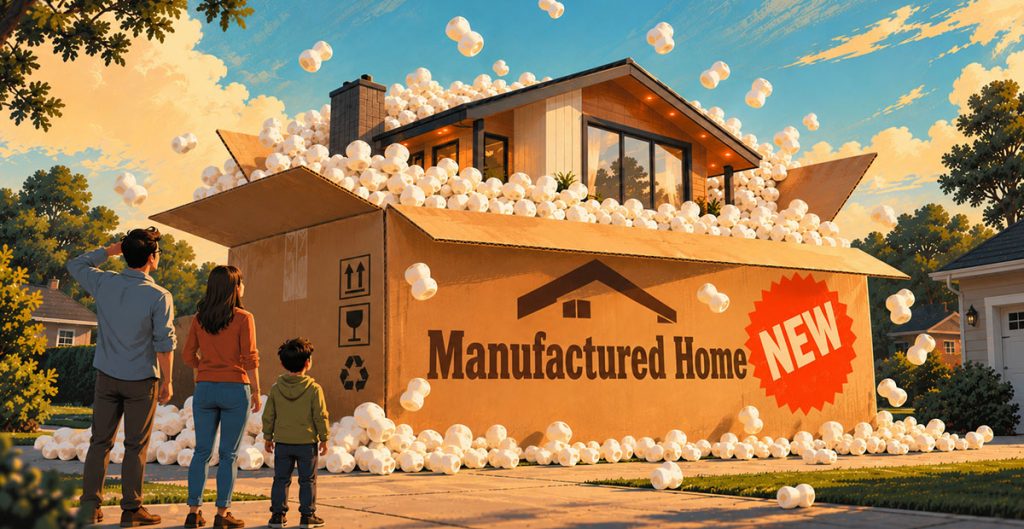
The next generation of manufactured homes is here
A noticeable change is coming to homes built in a factory and transported on wheels. After half a century, the heavy-duty steel base known as the “chassis,” what some considered a regulatory relic that made manufactured homes portable but also more restrictive, is now optional.
“I am more than pleased to be able to show the public the very first HUD-coded home that is being built without a chassis,” says Colleen Rogers, senior vice president of marketing and communications at Cavco Industries, Inc.
The 2-bed-2.5-bath “Grande Arbor” prototype was constructed at Cavco’s Rocky Mount, Virginia facility. It was pre-sold to a Pennsylvania community where it will retail for $139,900, Rogers explains. More here: (Source)
The S/M Take:
The rules are changing. And manufacturers have an opportunity to change their products.
Perhaps more importantly, they have an opportunity to change how people perceive the products.
Affordability is about more than the number on the price tag. People also want to feel good about what they're buying. They want a home they're proud to show off.
And there's more than one way to make that happen.
D.R. Horton is turning to AI-powered robots to help builders save time and money. Manufactured housing is shedding some of the design limitations that have shaped its reputation for decades.
The industry is finding ways to make homebuilding more efficient and potentially more affordable for all parties involved.

Subscribe to the
DRILL DOWN
This site is protected by reCAPTCHA and the Google Privacy Policy and Terms of Service apply.